Islamic Social Finance in Fragile Contexts
A virtual closed-door session with FCDO
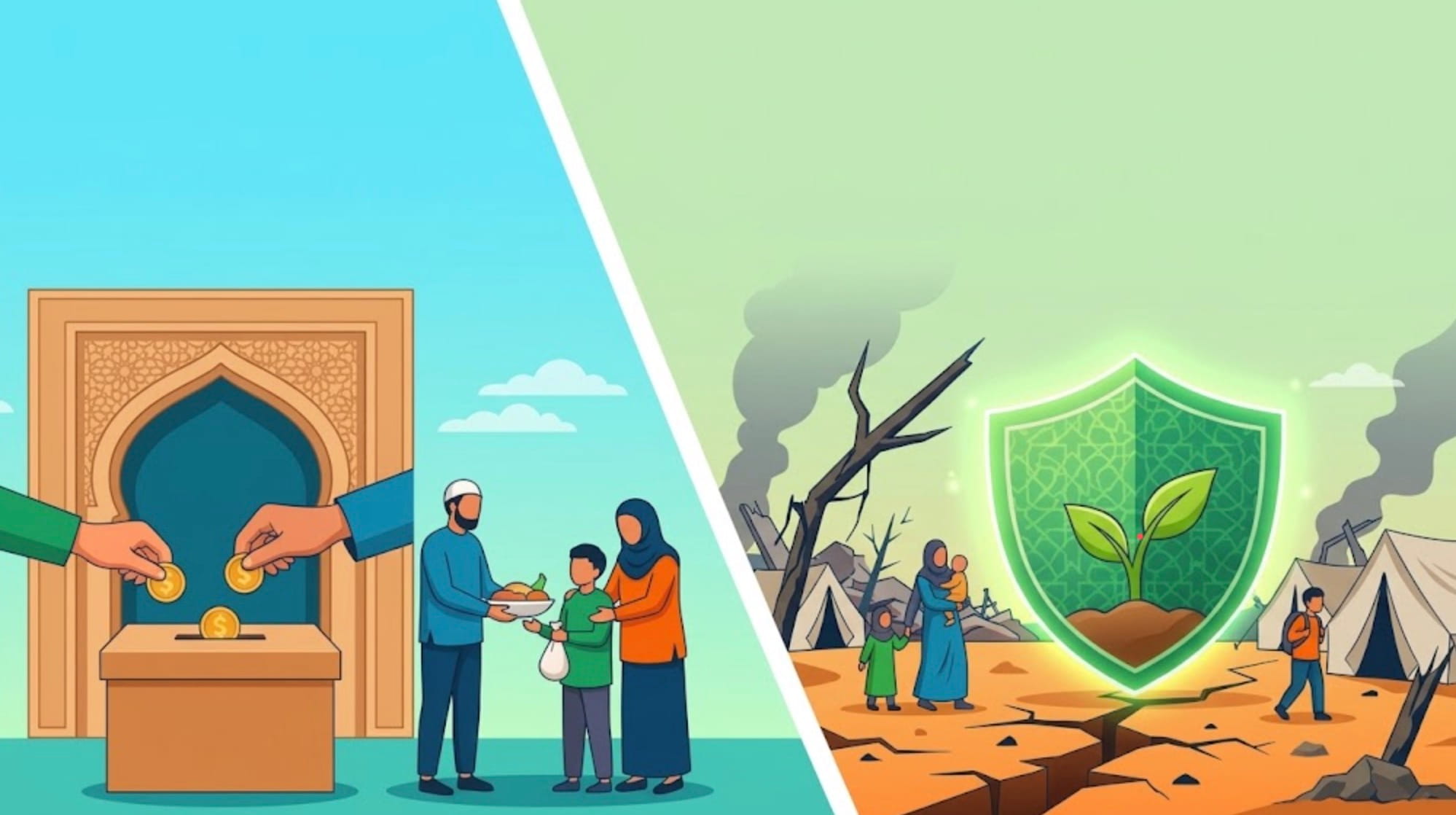
As the humanitarian system faces growing demands and intensifying fiscal pressures, there is an urgent need to rethink how limited humanitarian resource the most vulnerable, including women and girls. Islamic social finance mobilises an estimated USD 1 trillion annually around the ethical principles that ground humanitarian action – dignity, alleviation of suffering and justice – but we have not yet fully explored how to integrate the use of Islamic social finance into the wider humanitarian system.
Objectives of the session were to:
- Inform donors about the existing flow of Islamic social finance into humanitarian contexts.
- Discuss solutions for overcoming barriers to scaling Islamic social finance.
- Identify the role for ‘traditional’ donors in integrating Islamic social finance into the UN-led humanitarian system.
This was a closed-door online session. The session started with short interventions, before moving into an expert-led roundtable discussion. The learning session brought humanitarian policy, partnerships and gender advisers from institutional donors together with leading experts on Islamic social finance in humanitarian action, Islamic social finance and gender, and leading academics in humanitarian, refugee and gender studies.
Speakers included
- Sandra Pertek, University of Birmingham, FLF
- Khaled Khalifa, UNHCR
- Mohammed Kroessin, Adil Bader, Islamic Relief Worldwide
- Jamal Hassan, IFRC Africa
- Poppy Hankir, British Red Cross
- Hanadi Abdelrahman, Islamic Development Bank
View Slides from here.
High-Level Roundtable: Building Trust through Inclusive Humanitarian Financing for Women and Girls in Conflict and Displacement
On the margins of the 81st session of the UN General Assembly, the convening will explore how Islamic social finance can and does support gender-responsive humanitarian action and the potential for improved funding for women and girls in conflict and displacement. Moderated by Professor Azza Karam (President and CEO of Lead Integrity and former Secretary General at Religions for Peace and founder of the UN Multi-Faith Advisory Council), the roundtable will bring together experts on Islamic social finance, gender-responsive humanitarian action and leaders of women-led organisations. Discussion will focus on ways in which Islamic social finance can support women’s empowerment and protection in fragile contexts. The event will include a presentation by Dr Sandra Pertek of the initial findings from a UK Research and Innovation-funded project: Making Aid Work for Displaced Women: Integrating Islamic philanthropy and the international humanitarian system.
We’ve made the event hybrid, so please join us even if you’re not in New York this week. Online participation through this Zoom link.
Panel: Unsettling Humanitarianism Islamic Philanthropy, Power and Protection in Contexts of Displacement
This panel brings together interdisciplinary perspectives to interrogate how Islamic philanthropy, Gulf State aid practices, and Muslim-led humanitarian actors are reshaping global aid architectures. Amid intensifying crises, shifting geopolitical alignments, and renewed scholarly interest in vernacular and faith-sensitive humanitarianisms, the panel examines how Islamic norms, values, and institutions both complement and challenge dominant humanitarian paradigms.
You can find more information about the panel here.
Watch the full recording by clicking here.
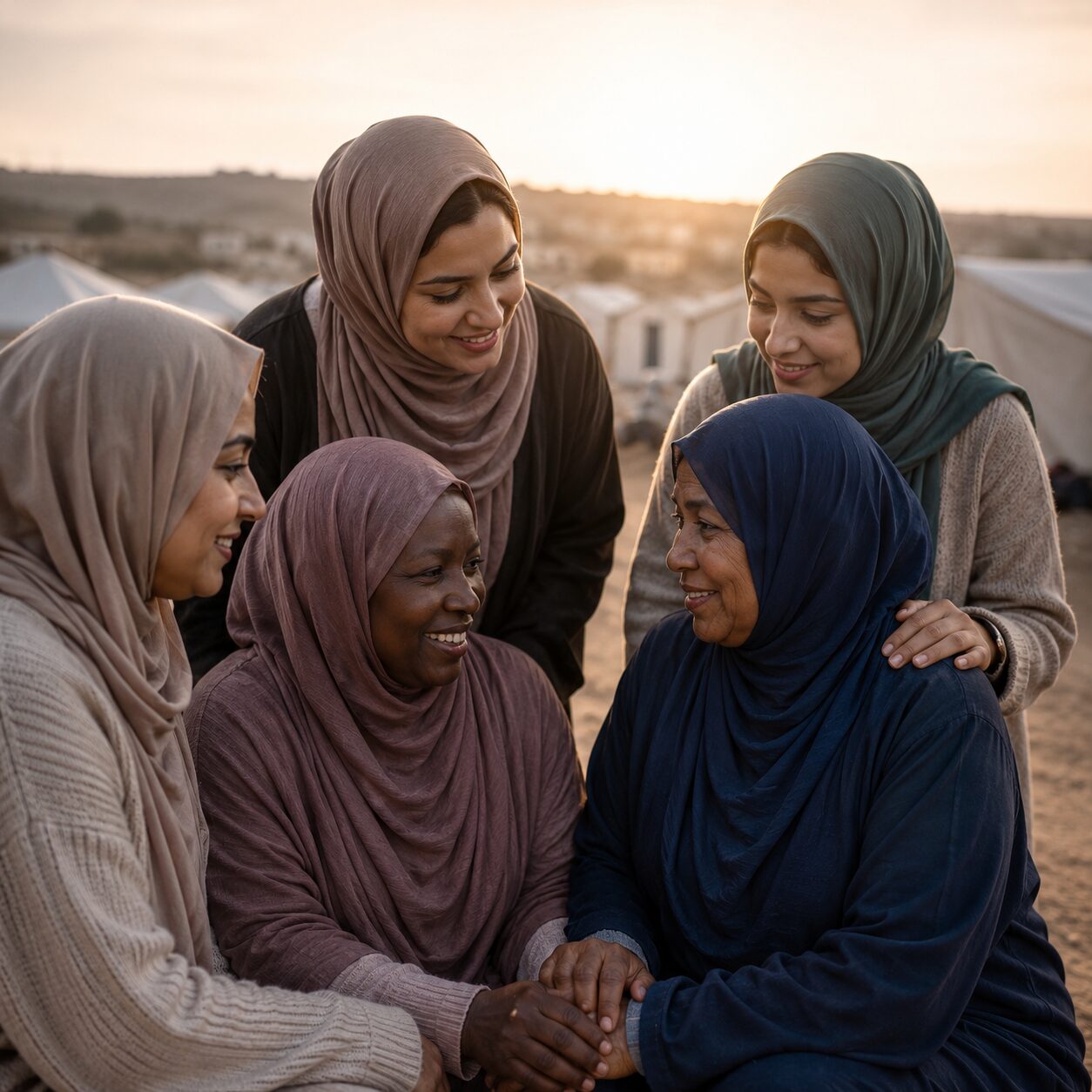
Webinar: Inspiring humanitarian, development and peace nexus futures: Exploring the value-based philanthropy for displaced women
Engaging with Islamic philanthropy actors and principles
12:00pm UK time (2:00pm Doha/Nairobi; 7:00am NY)
Please register for the webinar here: Click here to register
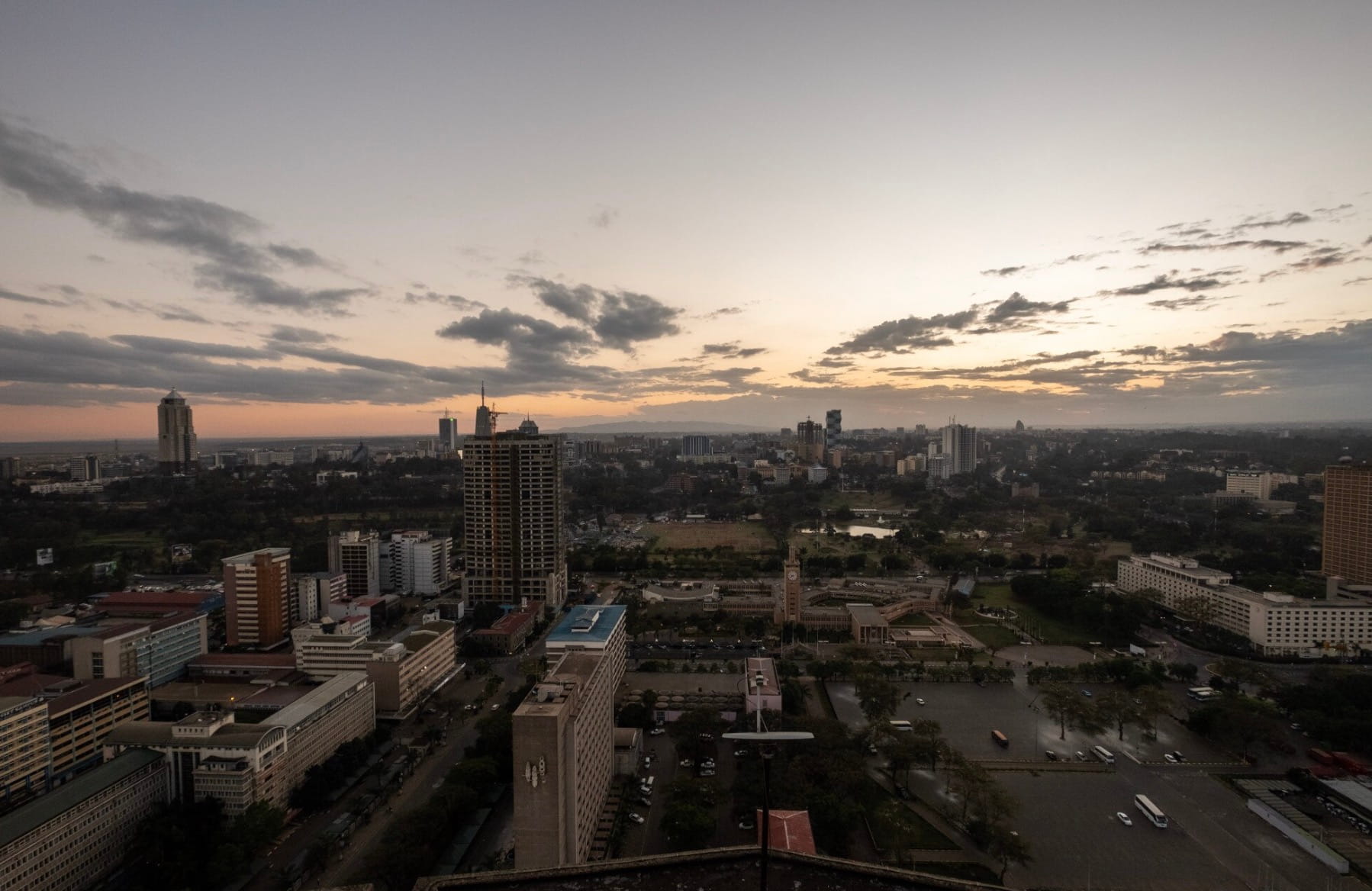
Scoping visit to Nairobi, 7 – 17 April 2026
MAW team is planning a scoping visit to Nairobi, Kenya in April 2026. The main purpose is to meet with representatives of refugee-led organisations, local aid stakeholders, and displaced communities for consultations. The consultations seek to identify priority issues affecting displaced women, map relevant actors, and partnerships, and strengthen collaboration between faith-based and humanitarian stakeholders to ensure our research is contextually grounded and practically relevant. We welcome all practitioners who are interested in exploring the potential of Islamic philanthropy to advance interventions/programmes to strengthen assistance and protection of women in displacement. To express your interest in participating in a workshop please click here:
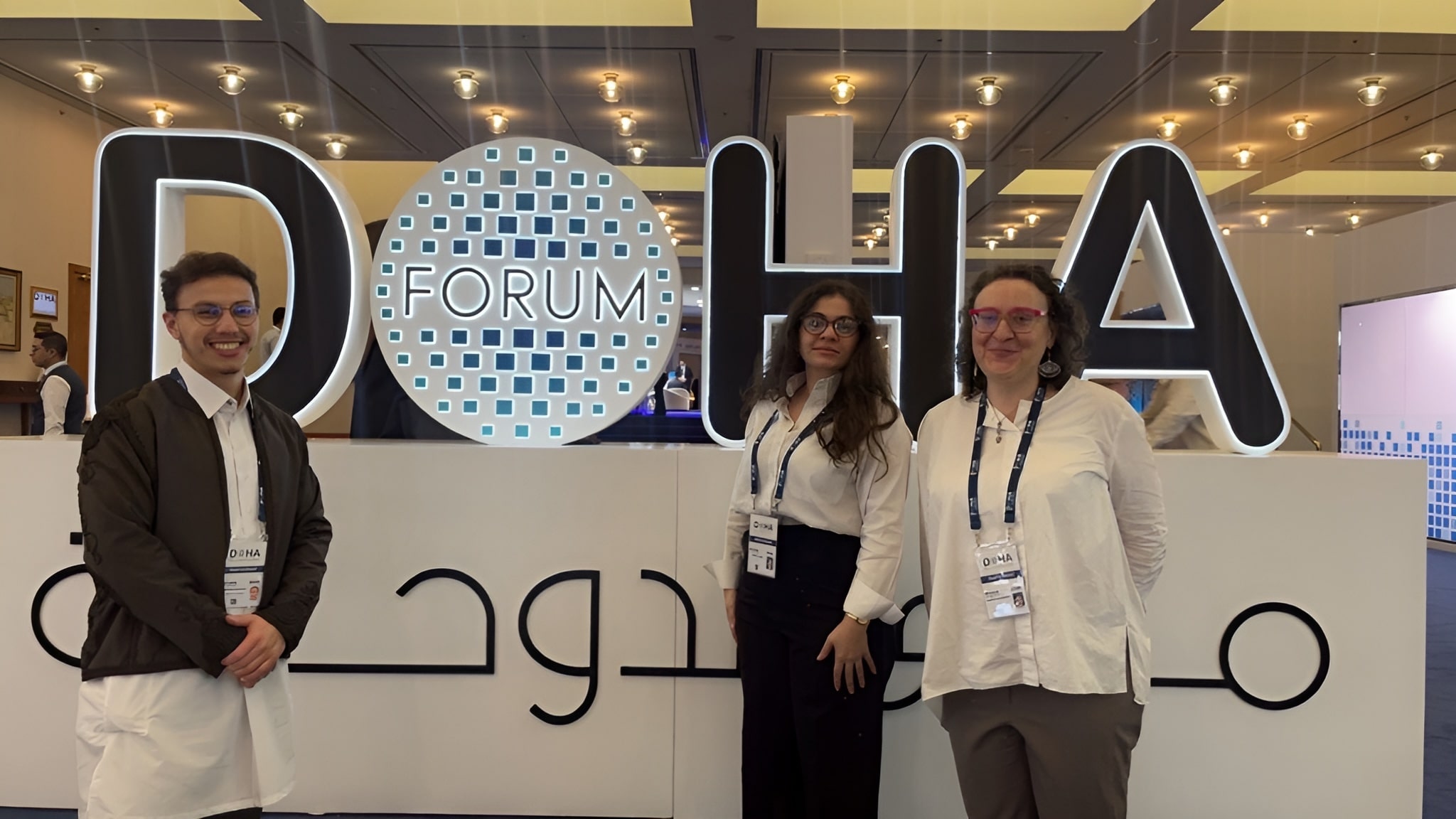
Making Aid Work Team at Doha Forum 2025
From 6–8 December, Qatar hosted the 23rd edition of the Doha Forum, held under the theme “Justice in Action: Beyond Promises to Progress.” Over three days, the Forum featured 128 sessions, 471 speakers, and welcomed 6,500 participants from 170 countries.
The Making Aid Work team joined panels focused on global aid and community trust in humanitarian response, as well as the role of women and faith leaders in peace negotiations and defending international law. Many discussions revolved around the use of AI in humanitarian action, particularly in the context of global aid funding cuts. Experts explored how AI could decentralise systems, reduce bureaucracy and management costs, and advance the localisation agenda.
Launch of Policy Dialogue on Pathways to Impact: Engaging with Islamic philanthropy to improve outcomes for displaced women
Register: Click here to register
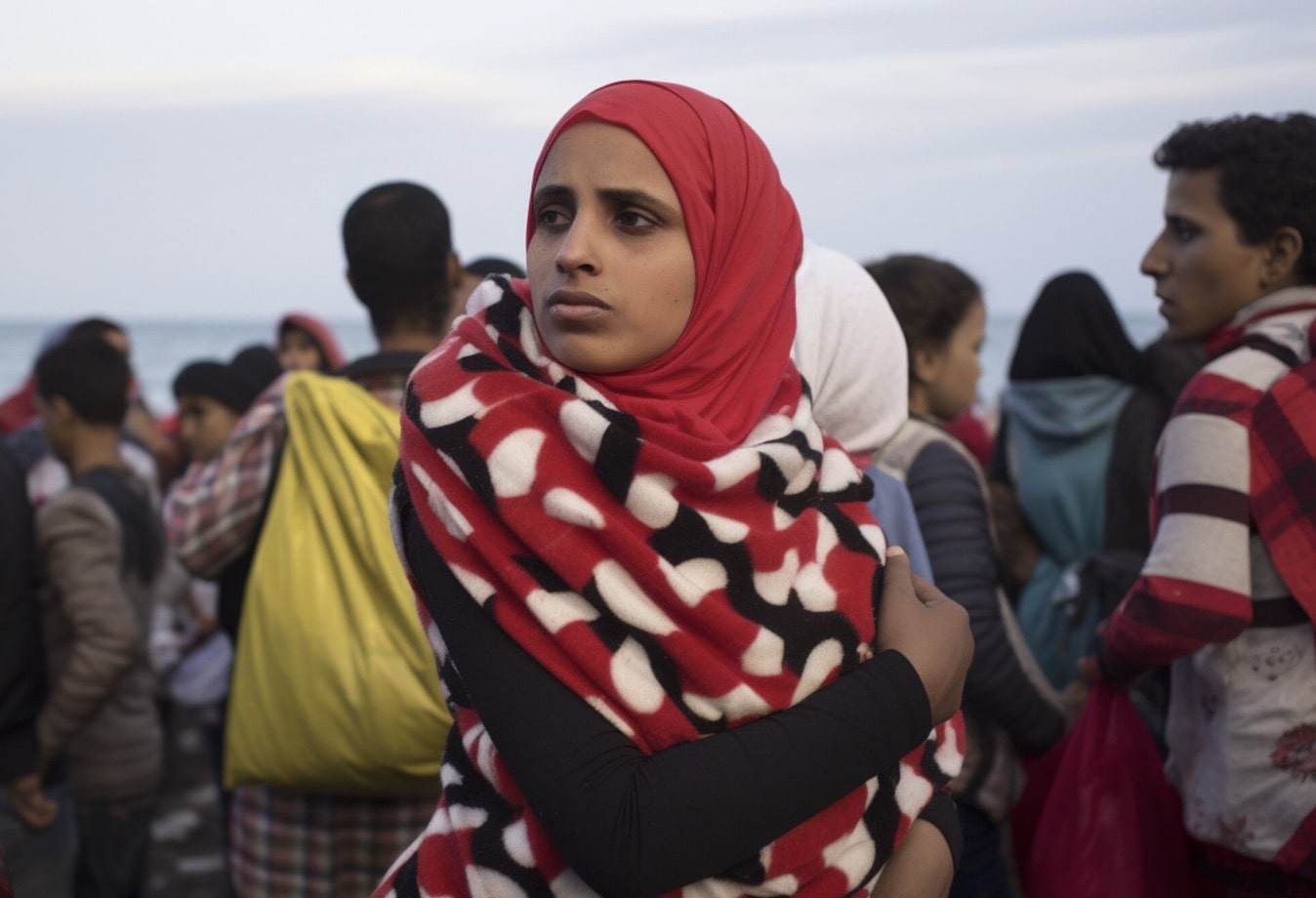
Advancing Humanitarian Innovation Symposium on Gender, Displacement, and Islamic Philanthropy
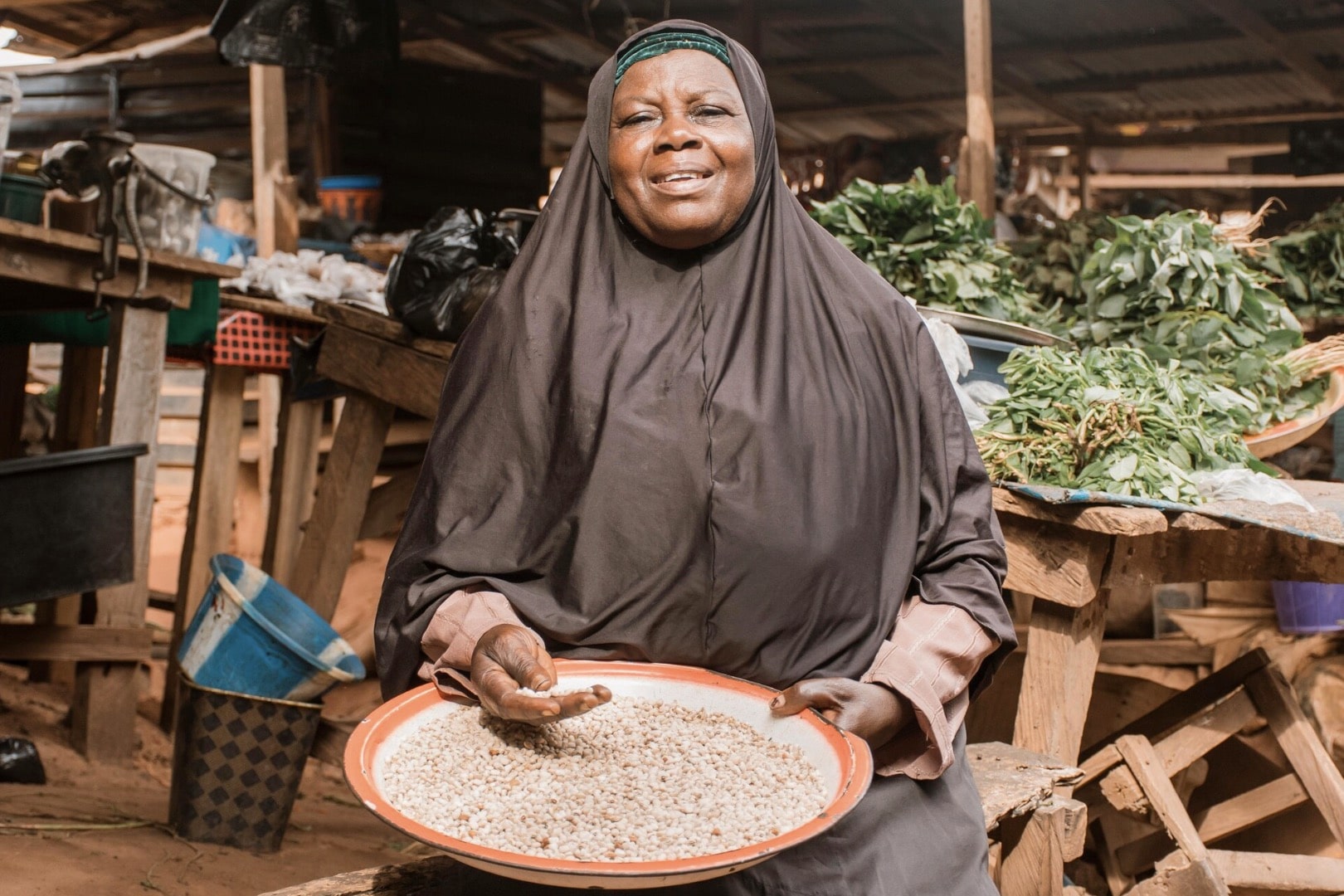
Radio Interview: Dr Sandra Pertek on the Impact of USAID Cuts
In this radio interview, Dr Sandra Pertek – UKRI Future Leaders Fellow, University of Birmingham (IDD) discusses the far-reaching consequences of recent USAID funding cuts on displaced communities and especially women. Dr Pertek highlights the urgent need for gender-sensitive approaches in humanitarian response.

Dr Sandra Pertek’s interview with a local radio in London on the value of migration
In her enlightening interview with a London radio station, Dr. Sandra Pertek delves into the value of migration, exploring its societal and humanitarian significance. She also highlights her pioneering project, Making Aid Work for Displaced Women, which integrates Islamic philanthropy into humanitarian systems to better address the complex needs of displaced women. Listen to Dr. Pertek’s insights and discover innovative approaches to supporting forcibly displaced populations.
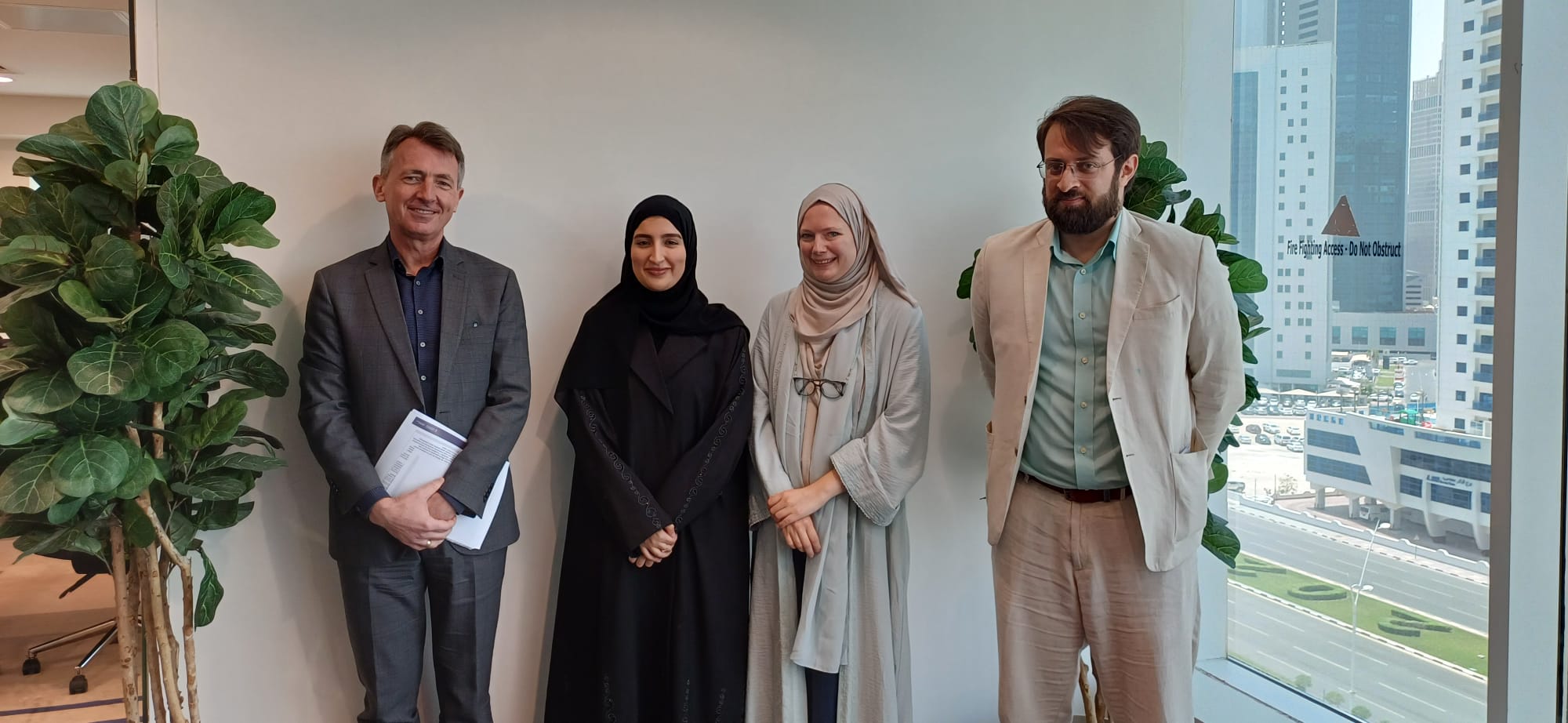
Exchange Visit with Qatar Fund For Development (QFFD)
As part of ongoing efforts to strengthen global partnerships, Dr. Sandra Pertek, Project Lead of Making Aid Work for Displaced Women and Syed Muaz Shah, Associated Researcher, visited the Qatar Fund for Development (QFFD) for an exchange meeting with Mr. Niklaus Eggenberger, Manager of Strategic Planning and Performance, and his team.
QFFD is the central governmental body responsible for developmental funding for the State of Qatar. The conversation focused on shared humanitarian priorities and impact for most excluded social groups. QFFD leads the Women in Conflict Zones Initiative which supports women’s participation in conflict resolution and post-conflict recovery.
Dr. Pertek introduced the Making Aid Work for Displaced Women project, which offers technical assistance to develop women-sensitive funding frameworks. She also invited QFFD to join upcoming humanitarian convenings and policy dialogues in Doha, Geneva, and Birmingham.
The visit concluded with a shared interest in continuing dialogue and exploring future opportunities for collaboration in support of women affected by conflict and displacement.
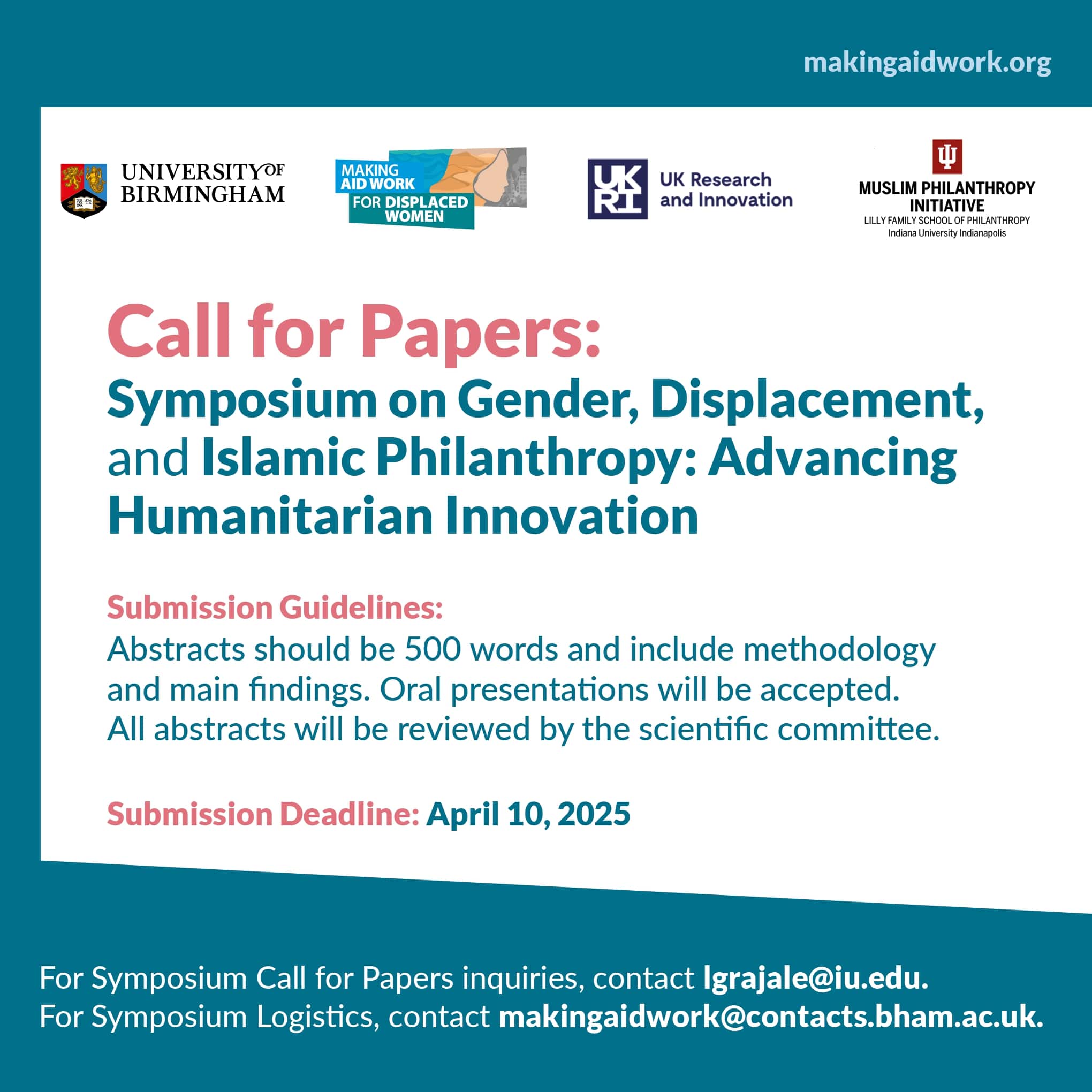
Symposium: Gender, Displacement, and Islamic Philanthropy: Advancing Humanitarian Innovation
Pushing interdisciplinary boundaries and contributing to developing an inclusive humanitarian policy, this symposium aims to mobilise new voices and conceptual resources to build bridges between mainstream humanitarian and Islamic philanthropic approaches to women in displacement and humanitarian crises. Connecting humanitarian, migration and religious systems, the symposium seeks to provide a platform to exchange and discuss innovative conceptual and financing solutions to support displaced women through integrating different aid paradigms.
Register Today: Click here to register
More information: Find more information here